Is Bladder Leakage A Sign Of Perimenopause?
Is Bladder Leakage An Indication Of Perimenopause?
The occurrence of UI amongst post-menopausal ladies ranged from 13.6% to 84.4%, with an overall prevalence of 5394 (63.1%). Throughout studies, the mean age of menopause differs, with some research studies reporting standards around 48 to 50 years. A number of researches report that UI prevalence increases with age, specifically in the postmenopausal period. UI symptoms, such as shedding micturition and mixed UI, are kept in mind, often pertaining to https://incontinence-direct.com/ the genitourinary syndrome of menopause (GSM) and nocturia. These signs and symptoms are connected to lowered quality of life and substantial morbidity.In this situation, Kegel exercises will not help your urinary signs and symptoms and may cause more issues. Talk with your doctor or registered nurse concerning your urinary system signs and symptoms prior to doing Kegel exercises. You and your doctor or registered nurse will certainly interact to develop a treatment strategy.
Various medications, like anticholinergics, can calm the bladder and enhance signs and symptoms of impulse incontinence. There are lots of interventions, both conventional and medical, that can be used to assist direct you via plain sailing throughout this time in your life, despite bladder leakages. Maintaining a healthy weight, preventing bladder irritants (like high levels of caffeine and alcohol), and staying hydrated can all contribute to better bladder control. Table 1 summarizes the socio-demographic characteristics removed from the research short articles. Our collection included 11 studies incorporating an overall of 8,547 postmenopausal females [10-20]But as these medications have actually grown in popularity, people have turned to social networks to discuss ... Fortunately, you can do plenty at home to aid support hormonal agent levels and make perimenopause a little less complicated on your body. Hormonal changes can take place during life occasions such as adolescence, pregnancy, menstruation, and menopause.
Browsing through menopausal signs can really feel frustrating, specifically when it appears like obstacles stand in the way of obtaining the care you need. A 2024 pelvic wellness research study evaluated 612 ladies ages and checked out the occurrence of pelvic wellness signs and symptoms and the voids in the treatment they seek and get. Menopause marks a significant change in a woman's life, with its selection of signs and symptoms frequently leading to inquiries regarding their beginning. Among these symptoms, urinary system incontinence can be particularly frustrating, leaving women to wonder if menopause triggers urinary system incontinence. Let's explore the connection between menopause and urinary incontinence, exposing myths and using practical services for managing and alleviating your symptoms.Estrogen plays a crucial role in maintaining the toughness and adaptability of the pelvic flooring muscle mass, bladder, and urethra. As hormonal agent degrees go down, these cells might deteriorate, leading to less control over urination. A number of treatment alternatives exist for managing urinary incontinence throughout menopause. Menopause causes a drop in estrogen, which affects the bladder, urethra, and pelvic floor muscles.
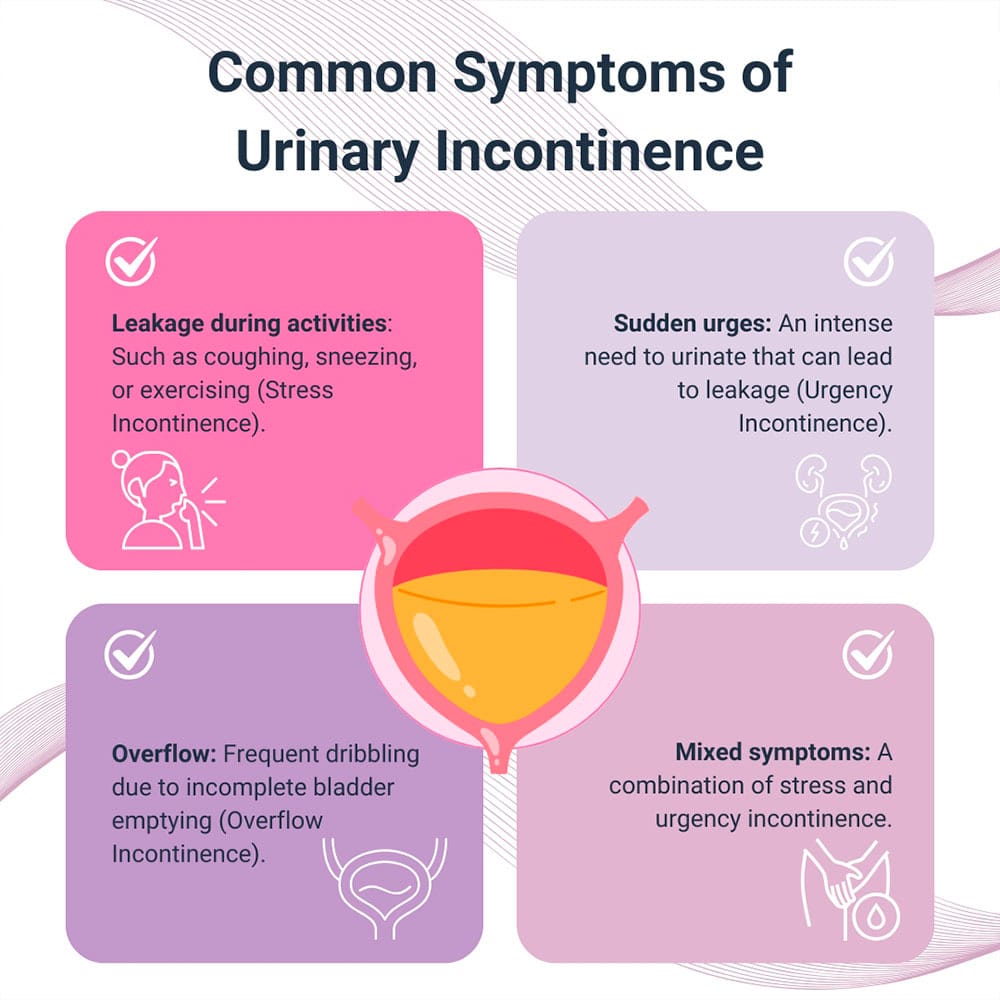
- In severe situations, we may recommend a surgery to address urinary incontinence, yet this is usually a last option.
- For those trying to find alternate options, there are all-natural supplements for urinary incontinence that might give assistance.
- There have been numerous advancements in the treatment options for urinary system incontinence, and you're bound to discover something that helps you.
- There's no single best choice for every person, but individuals usually search for bladder incontinence supplements, herbal bladder control remedies, or vitamins for bladder health and wellness to reduce seriousness and leak.
The Link Between Menopause And Urinary Incontinence: An Organized Evaluation
Likewise, like all muscle mass, the bladder and urethra muscles shed some of their strength as you grow older. This suggests you might not have the ability to hold as much urine as you age. A rectal prolapse takes place when part of your anus unclothes area and may even quit of your anus. While this problem is rare, affecting just around 0.5% of individuals, ladies over the age of 50, specifically those that have actually had a number of maternities, are probably to ... In perimenopause, the ovaries slowly stop operating and our estrogen levels start to nose-dive in preparation for the end of our reproductive years.Accessibility Glp-1 Weight Management With Noom
While this shift causes a number of hormonal changes and symptoms, one lesser-discussed problem that impacts several women throughout menopause is urinary system incontinence. Rayyan was made use of to confirm the search results page, making sure methodological precision and dependability [8] The first search produced titles and abstracts, which were then evaluated for importance based on the predefined addition and exemption requirements. The research team performed a comprehensive exam of all researches that fulfilled the inclusion parameters.Can Reduced Estrogen Reason Urethral Discomfort?
She or he will certainly also ask you great deals of concerns concerning just how and when you leakage, which will certainly help establish the kind of urinary incontinence you may have. Discover perimenopause and exactly how to prevent and treat bladder leaks throughout perimenopause in this write-up. These consist of topical estrogen, alpha blockers, mirabegron, and anticholinergics. The specific nature of the organization between menopause and UI stays not totally elucidated.